How Fitness Can Transform Your Diving Experience: 9 Key Insights
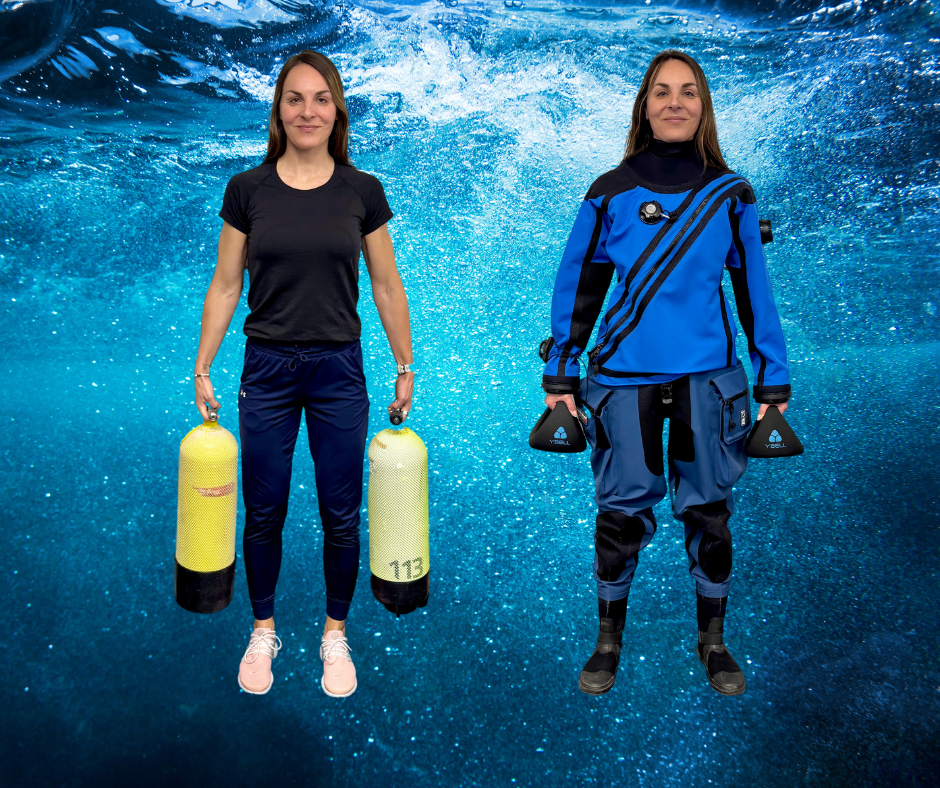
Fitness & diving
As a PADI Master Instructor at TSK Bern and certified personal trainer at 2-b.fit Bern, I’m thrilled to share this article with you – whether you’re a seasoned diver or someone considering their first dive. Diving has been a profound inspiration for me, shaping my approach to fitness and instilling a deep appreciation for how these two worlds intertwine. It has also driven my passion to highlight an often-overlooked aspect of the diving community: the critical role fitness plays.
Fitness in diving is so much more than a “nice-to-have” – it’s a game-changer. My goal in writing this article is to raise awareness about the importance of being a fit diver and to showcase the undeniable advantages it brings. From enhanced safety to greater enjoyment and endurance underwater, fitness is the foundation that elevates every dive. Together, let’s explore why staying fit isn’t just beneficial for divers – it’s essential.
Why is fitness so important for divers?
Your diving destination and the type of dive can place unique demands on your body, making physical fitness a must. Shore dives often involve long walks while carrying heavy gear, sometimes over slippery rocks, requiring both endurance and balance. Diving from a zodiac? You’ll need strength and mobility to climb back aboard gracefully – avoiding the dreaded “clumsy seal” look! In other cases, surface currents can demand a quick descent or the stamina to swim against strong underwater currents. Staying fit ensures you can handle these challenges with confidence, making every dive safer and more enjoyable.
1. Breath control: mastering your air
Calm, controlled breathing is the cornerstone of efficient diving. It not only helps conserve air but also ensures better buoyancy control, allowing for smoother and safer dives. After all, no one wants to be the diver who’s always the first to run out of air!
While your fitness level doesn’t necessarily determine whether you’ll be a high air consumer, it plays a crucial role in more demanding situations, such as navigating rough surface conditions or dealing with pre-dive fatigue. A well-conditioned body improves lung capacity and endurance, enabling you to stay calm and composed, even when faced with physical challenges.
Ultimately, better breath control means more confidence, less stress, and a significantly enhanced diving experience – leading to more efficient air consumption.
2. Endurance: the foundation for energy and comfort underwater
Endurance is essential for tackling the physical demands of diving – whether it’s swimming against currents, covering long distances, or hauling heavy gear. A strong cardiovascular system and muscular endurance ensure you have the stamina to dive longer and more comfortably. Ever found yourself gasping for breath after a long surface swim to the wreck’s descent line, only to struggle with recovery during the descent because you didn’t want to keep the group waiting? With better endurance, those moments become a thing of the past, letting you focus on enjoying the dive.
3. Buoyancy control: enhancing balance and stability underwater
Mastering buoyancy is essential for conserving air, enhancing safety, and enjoying a smooth dive. Fitness plays a key role in improving body awareness, balance, and coordination, allowing you to achieve and maintain neutral buoyancy effortlessly. The better you understand and control your body’s position, the more stable and precise your movements will be underwater – and trust us, the underwater photographer in your group will thank you for not stirring up the silt (and for looking good in the picture).
4. Heavy gear and challenging conditions: building strength for every dive
Diving often involves managing heavy tanks, weights, and protective gear, all while facing varying environmental conditions – from warm tropical air temperatures to chilly depths. Carrying this equipment, whether by hand or on your back, can be physically demanding, and without the necessary strength and stamina, it’s easy to feel drained by the end of the day. Developing the right fitness and learning proper techniques for handling your gear can make all the difference, ensuring you stay energised and comfortable throughout your dive adventure.
5. Flexibility: making suiting up and diving easier
Putting on a wetsuit or drysuit – or dealing with jackets and tanks, or just putting on your fins – can feel like a workout on its own, especially in tight spaces or after multiple dives in a day. Flexibility not only makes these tasks easier but also helps prevent muscle strain and discomfort. Remember the struggle of squeezing into a wet wetsuit for the fourth dive of the day? Or the scraped knuckles from pulling on neoprene? How about wrestling with a heavy weight belt for that drysuit dive or trying to peel off your drysuit after freezing water temperatures? Improving your flexibility can turn these moments from frustrating to manageable, leaving you ready to focus on what really matters – the dive.
6. Cold tolerance: staying warm in challenging conditions
Diving often means venturing into cool or cold underwater environments. A fit body with strong circulation and higher lean mass helps you tolerate lower temperatures more effectively, keeping you warmer and more comfortable during the dive. Cold water is one of the most physically demanding conditions for divers. Combine it with strong currents, heavy gear, and chilly air temperatures, and it’s clear that these challenges push your body to its limits. Maintaining optimal fitness is essential for staying resilient and enjoying dives, even in the harshest conditions.
7. DCS prevention: how fitness reduces your risk
Decompression sickness (DCS) is one of the most serious risks divers face, and maintaining a high level of physical fitness plays a vital role in reducing this risk. A well-trained body ensures efficient oxygen circulation and helps eliminate excess nitrogen, which is crucial for divers during and after a dive. Poor fitness or a sedentary lifestyle can slow these processes, increasing the risk of nitrogen build-up in your tissues.
- Nitrogen absorption in fat tissues: Fat tissues are more capable of absorbing and retaining inert gases like nitrogen compared to lean tissues. This is because nitrogen is more soluble in fat than in water. During a dive, nitrogen dissolves in the body’s tissues, including fat, under increased pressure. Upon ascent, if the nitrogen isn’t released gradually, it can form bubbles, increasing the risk of DCS.
- Slower nitrogen elimination: Fat tissues have a slower blood supply than lean tissues, meaning nitrogen is absorbed and eliminated more slowly. This can prolong the process of off-gassing (the release of nitrogen) after a dive, making a person with higher body fat more prone to nitrogen bubble formation during rapid ascents or insufficient decompression.
- Prolonged nitrogen retention: Divers with higher levels of body fat may retain residual nitrogen for longer periods, increasing their risk of DCS during repetitive dives or when following tight dive schedules.
Key takeaway: While anyone can experience DCS if proper dive protocols aren’t followed, divers with higher body fat percentages face an elevated risk due to how nitrogen is absorbed and eliminated in the body. By maintaining a healthy body composition through regular exercise and balanced nutrition, you can significantly reduce this risk.
Staying properly hydrated is one of the most critical factors in reducing the risk of decompression sickness (DCS) during diving activities.
8. Emergency response: fitness as your lifeline in critical situations
In emergencies, your physical fitness can be the deciding factor between a calm, effective response and overwhelming panic. Strength, quick reflexes, and endurance are vital for handling unexpected situations with confidence. Think back to your Rescue Diver course – remember how out of breath you were after towing an unconscious diver and hauling them out of the water? Now imagine facing that scenario in real life. Wouldn’t you want to be fully prepared to act swiftly and effectively?
A strong, fit body enables you to manage physically demanding rescue tasks, such as towing divers, performing surface swims under pressure, or lifting a person in full gear onto a boat. It also supports mental clarity under stress, helping you remain focused on what needs to be done. Being physically prepared means being ready to save not only others but also yourself in high-stakes moments.
9. Injury prevention: why fitness is your first line of defence
A well-conditioned body is significantly less prone to injuries, both in and out of the water. Diving involves repetitive movements, heavy gear, and physical exertion, all of which can strain the body if you’re not properly prepared. Fitness helps prevent common injuries caused by overexertion, poor posture, or improper movements during dives or while handling equipment on land.
For example, lifting heavy tanks or weight belts without proper core strength and technique can lead to back or shoulder strains. Similarly, repetitive fin kicks without sufficient leg strength and flexibility can cause cramps or joint discomfort. Even something as simple as putting on a wetsuit in a confined space can result in pulled muscles if your flexibility is limited.
Fitness components every diver should prioritise
Diving is a physically demanding activity, and the better prepared your body is, the safer and more enjoyable your dives will be. By focusing on specific areas of fitness, you can improve your performance underwater, reduce fatigue, and minimise the risk of injuries.
Endurance: building stamina for longer, safer dives
How to improve: Boost your cardiovascular fitness with activities like swimming, running, cycling, rowing, or even hiking – whatever you enjoy that keeps you moving. For added benefits, incorporate HIIT (high-intensity interval training) and sprints into your routine. These not only improve your aerobic capacity but also enhance your anaerobic fitness, which is particularly useful for handling short bursts of intense activity, such as swimming against a strong current, either underwater or on the surface.
Strength: powering through the physical demands of diving
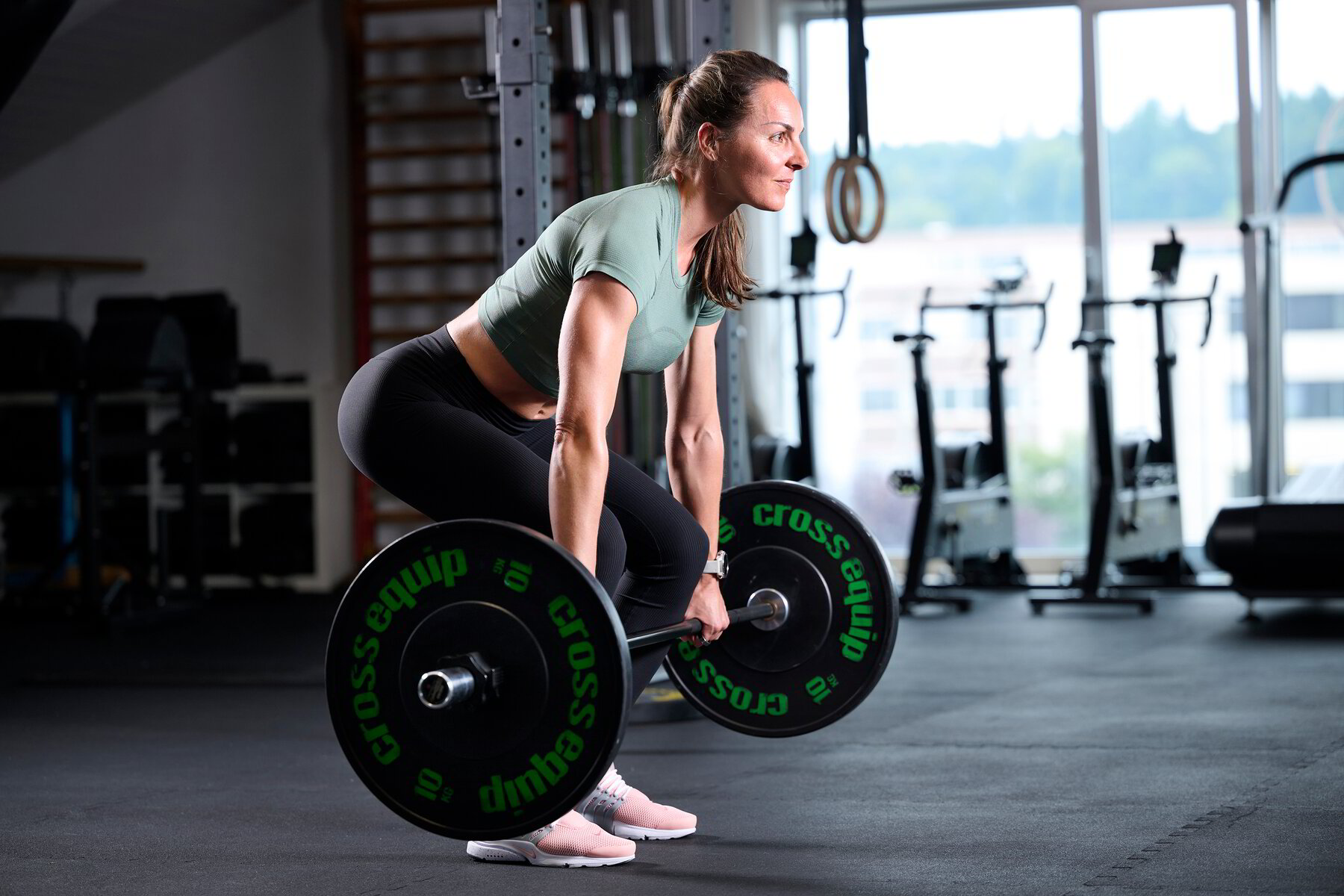
How to improve: Strengthen your body with a mix of weight training and bodyweight exercises like squats, deadlifts, planks, and pull-ups. Prioritise building strength in your shoulders, back, and legs to handle the physical demands of diving, such as carrying heavy gear and swimming in challenging conditions. Core training – targeting your back and abs – is particularly essential for divers, as it provides stability when carrying weights on your back and improves control while swimming underwater. And you want to protect your back at all costs! Don’t know where to start? Start here.
Flexibility: enhancing movement and comfort for divers
How to improve: Incorporate dynamic stretches and mobility drills into your fitness routine to enhance your range of motion and overall mobility. Focus on areas that are heavily engaged during diving, such as your shoulders (for carrying gear and swimming), hips (for mobility), and hamstrings (for finning and crouching). Regular flexibility training ensures your joints and muscles can handle the repetitive and sometimes awkward movements required during dives.
Breath training: mastering air control and composure underwater
How to improve: Incorporate diaphragmatic breathing exercises into your fitness routine to strengthen your respiratory muscles and increase lung capacity. For advanced training, explore freediving practices that focus on maximising breath-hold efficiency and improving breath awareness. These exercises help you maintain calm, controlled breathing even in challenging conditions.
Balance and coordination: the foundation for smooth and safe diving
How to improve: Incorporate balance-focused exercises into your fitness routine to enhance stability and coordination. Start with simple movements like single-leg squats or stability ball exercises (e.g. Bosu, Swiss ball, or Sypoba), which engage your core and improve proprioception. Adding functional exercises that mimic real diving scenarios, such as weighted step-ups or lateral movements, can further refine your coordination.
Recovery and rest: the unsung heroes of fitness for divers
How to improve: Prioritise quality sleep, as this is when your body repairs and recharges itself. Incorporate active recovery sessions, such as light cardio and mobility sessions, to keep your muscles supple and blood flowing. Nutrition also plays a crucial role: ensure your diet includes the right balance of macronutrients (carbohydrates, protein, and fats) and micronutrients (vitamins and minerals) to optimise muscle repair and overall recovery. Hydration is equally critical, as it helps flush out toxins and supports efficient nutrient absorption.
By focusing on the key components of fitness, you can significantly boost your diving performance and prepare your body for the unique challenges of the underwater world. From carrying heavy gear and swimming against strong currents to effortlessly suiting up in your wetsuit, a well-rounded fitness routine ensures you’re ready for it all. Not only will you enhance your safety and efficiency, but you’ll also dive with greater comfort and confidence – making every dive more enjoyable and memorable.
Essential tips to stay fit as a diver
- Commit to regular training: Dedicate at least three workouts per week that incorporate strength, endurance, and flexibility exercises. A balanced routine ensures your body is prepared for the physical demands of diving, from carrying heavy gear to swimming against currents.
- Focus on diver-specific exercises: Incorporate movements that simulate diving activities, such as planks and side planks for core stability or deadlifts and farmer’s carries to mimic lifting and carrying heavy gear. Exercises that build leg strength, like lunges and squats, are also crucial for stability and propulsion.
- Maintain a healthy diet: Fuel your body with a nutrient-rich diet, emphasising lean proteins, whole grains, fruits, and vegetables. Ensure your meals include plenty of electrolytes to maintain hydration and muscle function, especially before and after dives. Minimise or avoid alcohol during dive trips, as it can dehydrate you and hinder recovery.
- Prioritise adequate sleep: Rest and recovery are essential for peak performance. Aim for 7–9 hours of quality sleep per night, particularly before dive days, to ensure your body is rested and ready for the physical demands ahead.
- Stay hydrated: Proper hydration is critical for divers. Drink plenty of water throughout the day, and include electrolyte-rich beverages to replace essential minerals lost through sweat. This helps prevent cramps, boosts circulation, and supports overall diving safety.
By following these tips, you’ll not only stay fit and prepared for your dives but also enhance your overall safety, comfort, and enjoyment underwater.
Source: DAN – High-fat diet and risk of decompression illness